

Muffin Tray Buying Guide: How to Choose the Right Tray for Baking
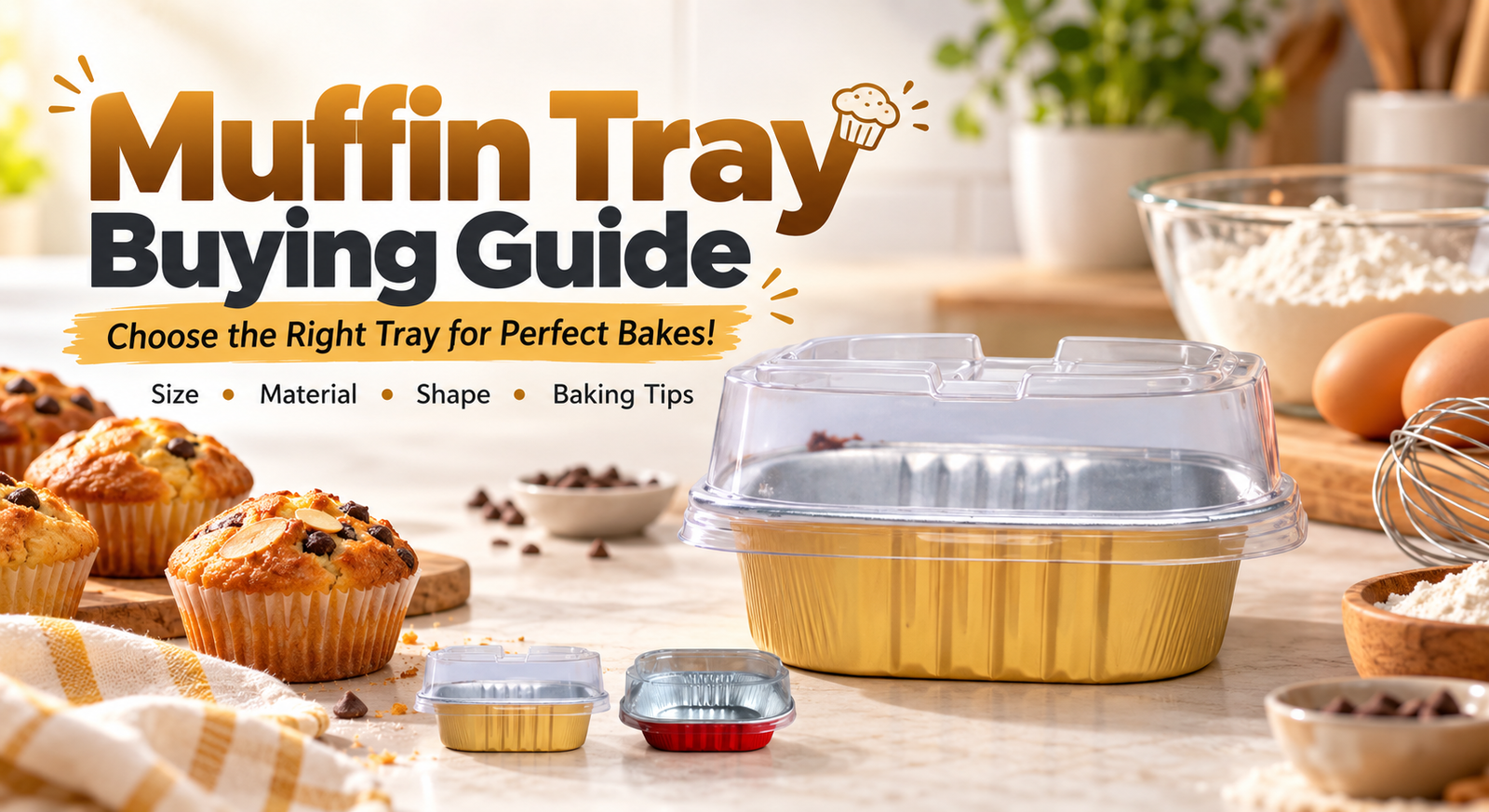
Choosing the right muffin tray can make a noticeable difference in your baking results. Whether you are preparing muffins, cupcakes, mini cakes, brownies, egg bites, or other baked treats, the right tray helps provide consistent shapes, even baking, and easier removal.
With different materials, cavity sizes, shapes, coatings, and designs available, selecting the best muffin tray can sometimes feel confusing. A good tray should match your baking requirements, oven size, recipe type, and cleaning preferences.
In this guide, we will explain the important factors to consider when buying a muffin tray and how to choose one that works well for everyday baking.
What Is a Muffin Tray?
A muffin tray is a baking pan designed with multiple individual cavities for preparing muffins, cupcakes, and other portion-sized baked goods. Depending on the design, muffin trays can have different numbers of cavities and may be made from aluminium, carbon steel, stainless steel, silicone, or other materials.
A well-designed muffin tray helps maintain the shape of your baked goods while allowing you to prepare multiple portions at once. For home bakers, a multi-cavity tray can also save time because several muffins or cupcakes can be baked in a single batch.
If you regularly bake at home, investing in a suitable muffin tray for baking can make the process more convenient and consistent.
Why Choosing the Right Muffin Tray Matters
Not every baking tray performs in the same way. The material, thickness, coating, and cavity design can affect heat distribution and how easily baked goods can be removed.
A suitable muffin tray can help with:
- More consistent baking
- Better shape retention
- Easier removal of muffins and cupcakes
- Convenient batch baking
- Better portion control
- Easier cleaning
- More efficient use of oven space
Choosing a tray based on your actual baking needs is therefore more useful than simply selecting the cheapest option available.
1. Consider the Material of the Muffin Tray
Material is one of the most important factors when selecting a muffin tray.
Aluminium Muffin Tray
Aluminium is commonly used for baking because it is lightweight and provides good heat conductivity. An aluminium muffin tray can be a practical choice for regular home baking.
It is particularly useful when you want a lightweight tray that is easy to handle and store.
Steel Muffin Tray
Steel trays are generally sturdy and can be suitable for frequent baking. Some steel trays also come with non-stick coatings, which can make food release easier.
Silicone Muffin Tray
Silicone trays are flexible and can make removing baked goods convenient. They are often useful for muffins, cupcakes, chocolates, and other moulded preparations.
However, silicone trays can behave differently from metal trays in terms of heat transfer, so you should always follow the manufacturer’s recommended baking temperature.
2. Check the Number of Cavities
Muffin trays are available in different cavity configurations. Common options include 6-cavity and 12-cavity designs, while other specialized trays may have different numbers.
If you normally bake for your family, a smaller tray may be sufficient. If you frequently prepare muffins for parties, events, or larger groups, a larger multi-cavity tray can help you prepare more portions in one batch.
Before purchasing, consider:
- How many muffins you normally bake
- The size of your oven
- Available storage space
- Whether you bake for personal or commercial use
A multi-cavity muffin tray can be especially useful for batch baking.
3. Look at the Cavity Size and Shape
Not every muffin tray produces the same size of baked product.
Standard muffin cavities are suitable for traditional muffins and cupcakes, while smaller cavities can be useful for mini muffins or bite-sized desserts.
The shape also matters. Round cavities are common, but square and specialty-shaped baking cups can provide a different presentation.
When selecting a tray, check the cavity dimensions and compare them with your recipes. This is particularly important if your recipe specifies a particular muffin or cupcake size.
4. Consider a Non-Stick Muffin Tray
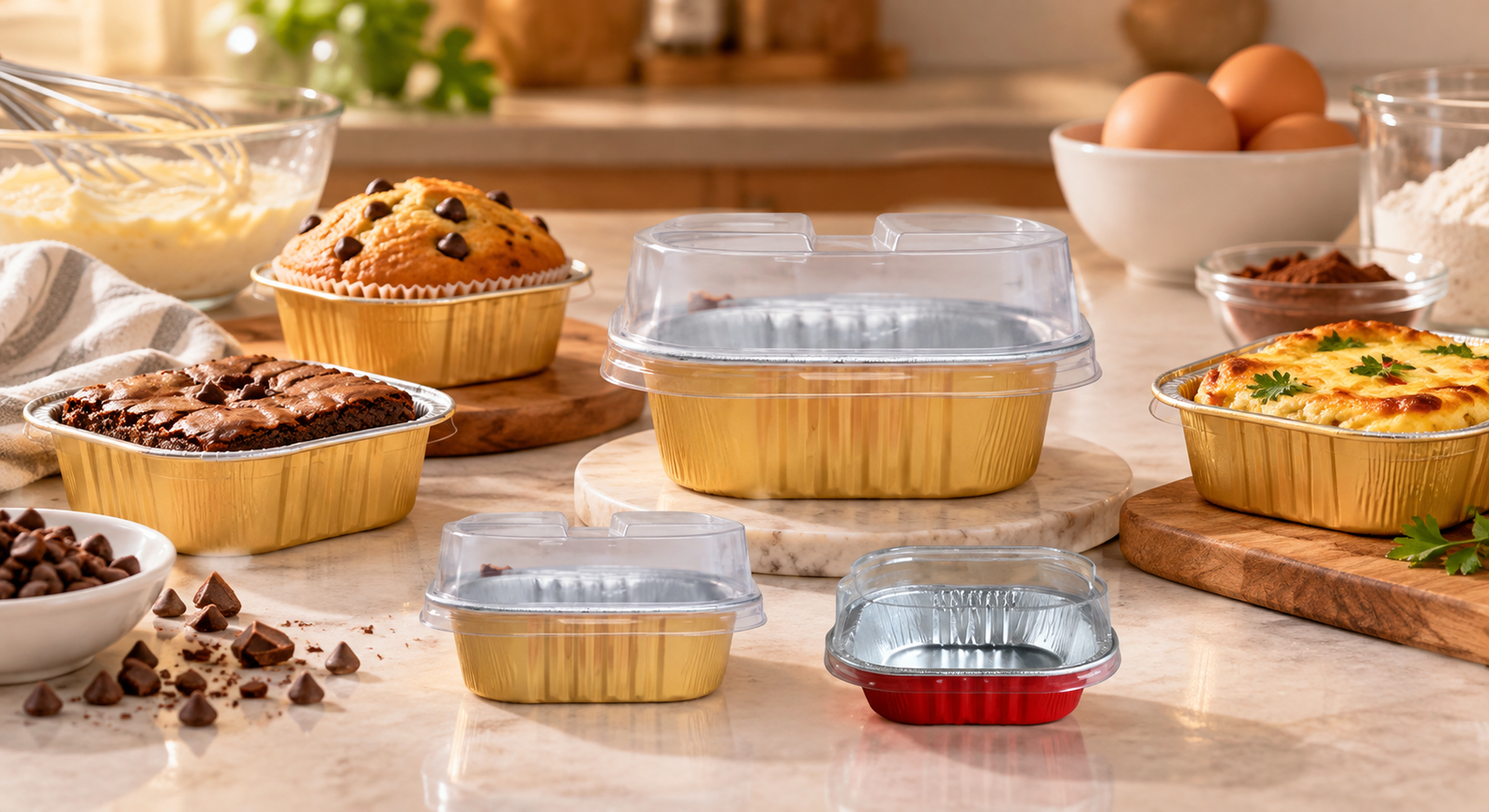
A non-stick surface can make baking more convenient because it may help reduce sticking and make baked goods easier to release.
A non-stick muffin tray can be useful for recipes containing:
- Cake batter
- Muffin batter
- Chocolate
- Brownies
- Egg-based preparations
Even with a non-stick coating, proper preparation is important. Follow the manufacturer’s instructions regarding greasing, utensils, cleaning, and temperature limits to help maintain the tray’s surface.
5. Check the Tray’s Dimensions
Before buying a muffin tray, measure the interior of your oven.
A tray may have the correct number of cavities but still be inconvenient if it is too large for your oven.
Check:
- Overall tray length
- Overall tray width
- Tray height
- Cavity dimensions
- Available oven rack space
Also leave enough room around the tray for proper airflow and safe handling.
6. Think About Your Baking Requirements
The best muffin tray depends on what you plan to make.
If you mainly prepare:
Muffins
Choose a standard multi-cavity tray with appropriately sized cups.
Cupcakes
Look for cavities compatible with cupcake liners and your preferred cupcake size.
Mini Desserts
Choose smaller cavities designed for bite-sized portions.
Chocolate and Desserts
Special moulds may be more appropriate if you are making chocolates, candies, or shaped desserts rather than traditional muffins.
For everyday baking, a versatile tray that can handle several similar recipes may provide better value.
7. Consider Ease of Cleaning
Cleaning is an important part of choosing baking equipment.
A tray with a smooth surface is generally easier to clean than one with heavily textured or difficult-to-reach areas.
After baking, allow the tray to cool before cleaning it. Follow the manufacturer’s care instructions and avoid harsh cleaning methods if they can damage the surface or coating.
For coated trays, using appropriate utensils and gentle cleaning methods can help preserve the finish.
8. Check Durability and Construction
A good muffin tray should be sturdy enough for regular use.
Look for:
- Strong construction
- Evenly formed cavities
- Smooth edges
- Appropriate thickness
- A stable shape
- Reliable surface finish
A tray that bends easily can make handling hot baked goods more difficult. A sturdy design can be more practical for frequent baking.
9. Choose a Muffin Tray According to Your Budget
Price should not be the only factor when choosing baking equipment.
Instead, consider the combination of:
Material + Size + Cavity Count + Durability + Surface + Intended Use
For occasional baking, a basic tray may be sufficient. Regular home bakers may benefit from investing in a more durable option that can be used repeatedly.
If you are building a collection of baking tools, it can also make sense to start with versatile trays before purchasing specialized moulds.
10. Consider Aluminium Baking Cups With Lids
For certain baking and food-preparation requirements, individual aluminium baking cups can offer additional convenience.
For example, the Aluminium Square Container Baking Cups Mould with Lid is designed as a 10-piece pack and combines individual baking containers with lids.
This type of product can be useful when you want individual portions that can be handled separately. Always check the product specifications and manufacturer’s instructions to confirm the appropriate use, temperature limits, and care requirements.
Muffin Tray Buying Checklist
Before purchasing a muffin tray, consider the following checklist:
- Choose the right material for your baking style.
- Check the number of cavities.
- Measure your oven before purchasing.
- Check cavity size and shape.
- Consider whether a non-stick surface is important.
- Look for durable construction.
- Check cleaning and care instructions.
- Compare price with expected frequency of use.
- Choose a tray that matches your recipes.
- Check product dimensions and specifications carefully.
Taking a few minutes to compare these factors can help you choose a muffin tray that is practical for your kitchen and suitable for your baking routine.
Where to Buy Baking Tools and Muffin Trays Online
Once you know what type of baking tray you need, compare the available options based on material, size, cavity design, price, and intended use.
You can explore a wider selection of baking tools, moulds, kitchen accessories, and other products through the Trending Products Villa Shop.
For a specific option, you can also check the 10-piece Aluminium Square Container Baking Cups Mould with Lid and review its product specifications before purchasing.
Frequently Asked Questions About Muffin Trays
1. What is the best material for a muffin tray?
The best material depends on your baking requirements. Aluminium offers good heat conductivity, steel can provide sturdy construction, and silicone offers flexibility and easy release. Choose according to your recipes, oven, frequency of use, and care preferences.
2. Is an aluminium muffin tray good for baking?
Yes, aluminium is commonly used for baking because it is lightweight and provides good heat conductivity. An aluminium muffin tray can be a practical option for regular home baking.
3. How many cavities should a muffin tray have?
The ideal number depends on how many muffins or cupcakes you normally prepare and the size of your oven. A smaller tray can work well for occasional baking, while a larger multi-cavity tray is useful for batch baking.
4. Is a non-stick muffin tray better?
A non-stick muffin tray can make food release and cleaning more convenient. However, proper care is important to protect the coating and maintain its performance.
5. Can I use a muffin tray for cupcakes?
Yes. Many standard muffin trays can be used for cupcakes, especially when paired with suitable cupcake liners. Always check the cavity size and recipe requirements.
6. How do I stop muffins from sticking to the tray?
Depending on the tray and recipe, you can use suitable liners or lightly grease the cavities. For non-stick trays, follow the manufacturer’s instructions for preparation and care.
7. How should I clean a muffin tray?
Allow the tray to cool before cleaning. Use appropriate cleaning methods recommended by the manufacturer. Avoid abrasive materials when they may damage a non-stick coating.
8. How do I choose the right muffin tray size?
Consider both the cavity size and the overall dimensions of the tray. The tray should fit comfortably inside your oven while providing the portion size you need.
9. Can a muffin tray be used for foods other than muffins?
Many muffin trays can be used for cupcakes, mini cakes, brownies, egg bites, and other portion-sized preparations, depending on the material and manufacturer’s instructions.
10. Where can I buy baking tools online?
You can explore baking moulds, muffin trays, cake decorating tools, chocolate-making supplies, and other kitchen products through the Trending Products Villa Shop.
Make Better Baking Choices With the Right Muffin Tray
The right muffin tray can make everyday baking easier, more consistent, and more convenient. When choosing one, focus on material, cavity size, number of cavities, tray dimensions, surface finish, durability, cleaning requirements, and compatibility with your oven.
Whether you are a beginner experimenting with homemade muffins or an experienced baker preparing multiple batches, choosing baking equipment based on your actual requirements will help you get better value from every purchase.
Explore the Trending Products Villa Shop to discover baking tools and kitchen products for your next baking project.
Add comment